 Home
HomeBest Stand Mixers in 2025: Tested & Reviewed
A good stand mixer earns its counter space by taking the work out of creaming butter, whipping egg whites and kneading bread dough. For 2025 we put the leading models through the same routine of cookie batter, whipped cream and stiff dough to see which held up. Below are the five that mixed the most evenly, ran with the least strain and felt worth the money.
KitchenAid Artisan 5-Qt
Its iconic tilt-head design and enormous attachment ecosystem make it the easiest mixer to live with day to day, which is why it suited the widest range of baking in our testing.
At a Glance: Top 5 Compared
| # | Product | Price* | Rating | Best For |
|---|---|---|---|---|
| 1 | KitchenAid Artisan 5-Qt | ~$450 | 4.8 / 5 | Overall |
| 2 | KitchenAid Pro 600 | ~$530 | 4.7 / 5 | Heavy doughs |
| 3 | Breville Bakery Chef | ~$600 | 4.6 / 5 | Premium |
| 4 | Cuisinart Precision Master 5.5-Qt | ~$250 | 4.4 / 5 | Value |
| 5 | Ankarsrum Original | ~$750 | 4.6 / 5 | Bread bakers |
*Approximate prices for reference only. Confirm the current price on the retailer's page before buying.
KitchenAid Artisan 5-Qt
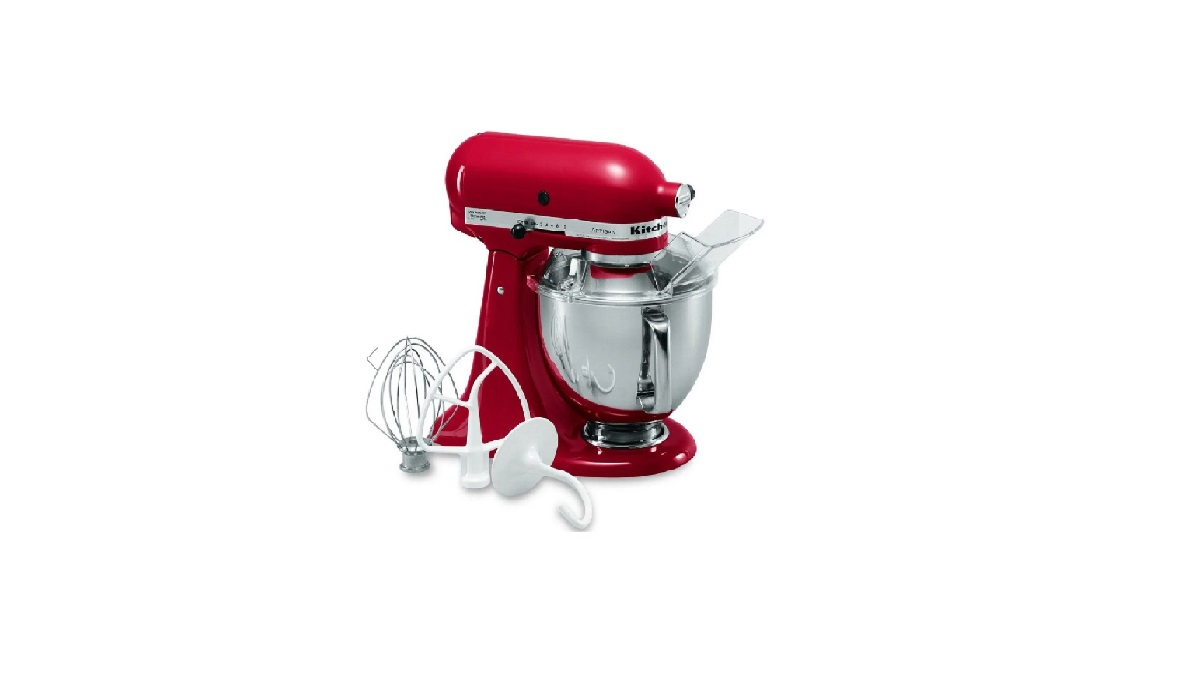
The Artisan remains the mixer most home bakers reach for, and our testing showed why. The tilt-head design makes it easy to add ingredients or swap the beater, the 5-quart stainless bowl handles a couple of loaves or several dozen cookies, and the planetary action reached the bowl's edges without much scraping. What really sets it apart is the attachment hub, which turns the machine into a pasta roller, grain mill or meat grinder. It is not the cheapest option, but the balance of capability, footprint and longevity is hard to match.
Pros
- Easy tilt-head access
- Huge attachment ecosystem
- Even, thorough mixing
Cons
- Premium price for the size
- Bowl smaller than bowl-lift rivals
KitchenAid Pro 600
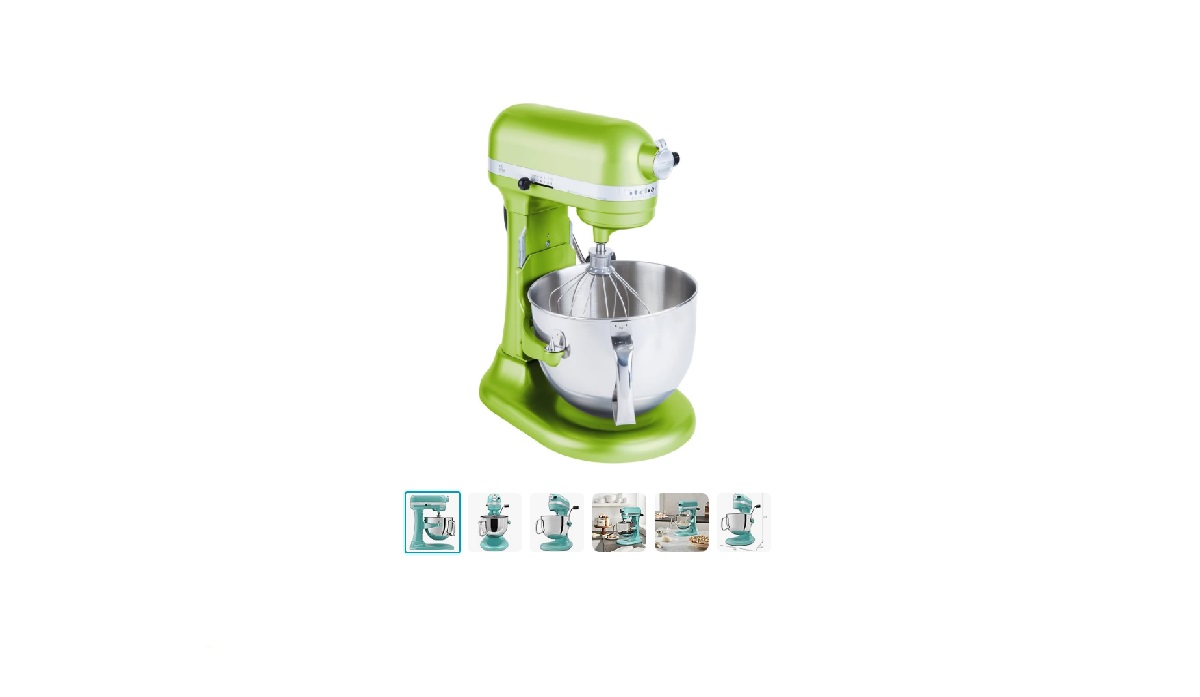
When the recipe calls for stiff bread dough or large batches, the Pro 600 steps up. Its bowl-lift mechanism is sturdier than a tilt-head, the 6-quart bowl swallows bigger loads, and the stronger motor kneaded firm dough without bogging down in our sessions. The heavier frame stays planted on the counter even when the machine is working hard. It is taller and heavier than the Artisan, so it asks for more storage room, but for serious dough work that trade is easy to accept.
Pros
- Strong motor for stiff dough
- Large 6-quart bowl
- Sturdy bowl-lift build
Cons
- Tall and heavy to store
- Pricier than the Artisan
Breville Bakery Chef
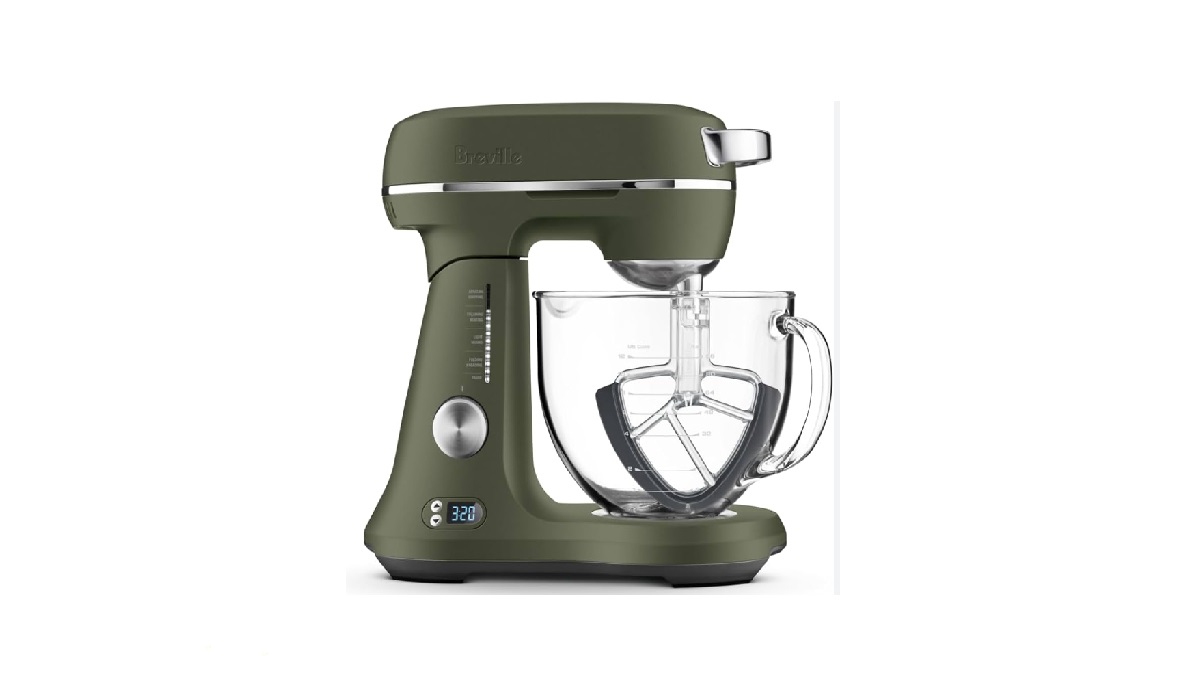
The Bakery Chef targets bakers who want a more considered, modern machine. Its standout feature is load sensing, which adjusts power as the mixture thickens to keep the action steady, paired with a built-in timer that stops the mixer automatically so you can step away. The fit and finish feel a clear step above the mainstream, with smooth controls and a stable platform. It is expensive and a touch over-engineered for casual bakers, but for someone who mixes often the smart features genuinely reduce fuss.
Pros
- Load sensing keeps mixing steady
- Built-in timer with auto stop
- Premium build and controls
Cons
- High price
- Features overkill for casual bakers
Cuisinart Precision Master 5.5-Qt
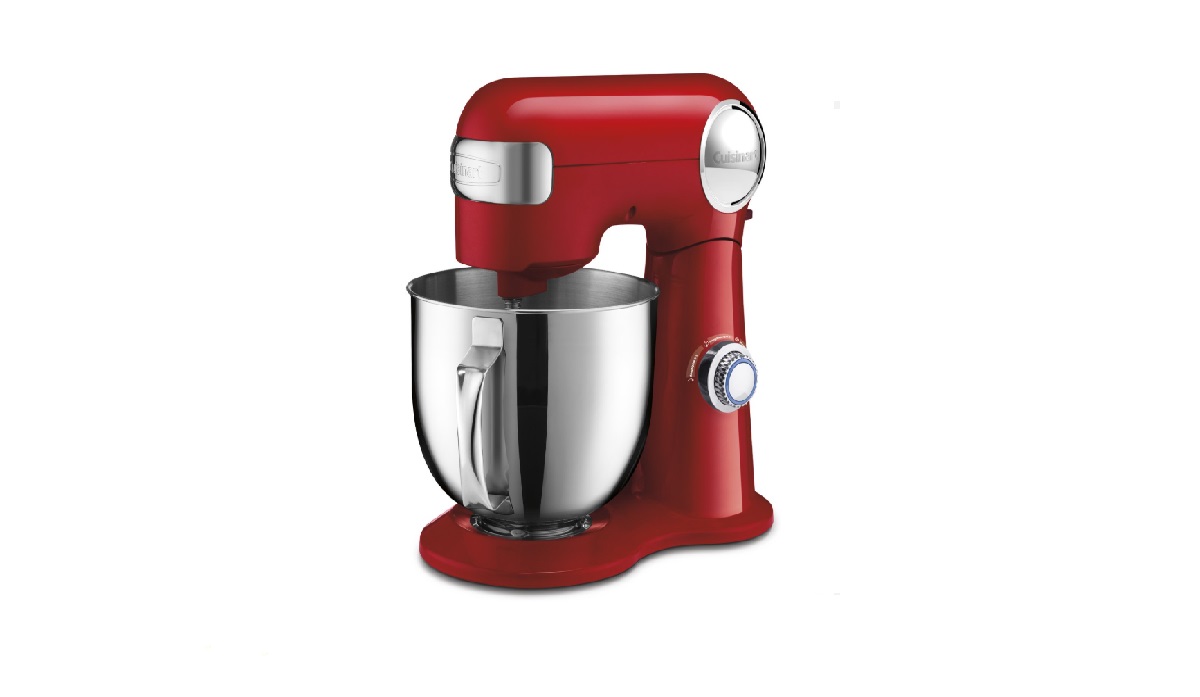
For shoppers who want real capability without the flagship price, the Precision Master is the standout value. Its motor proved stronger than we expected for the cost, and the generous 5.5-quart bowl held more batter than several pricier rivals. The tilt-head opens for easy access, and the included whisk, paddle and dough hook cover the everyday baking lineup. It feels a little less refined than the top names and runs slightly louder, but the performance per dollar is excellent.
Pros
- Strong motor for the price
- Large 5.5-quart bowl
- Full set of attachments included
Cons
- Less refined finish than rivals
- Runs a touch louder
Ankarsrum Original
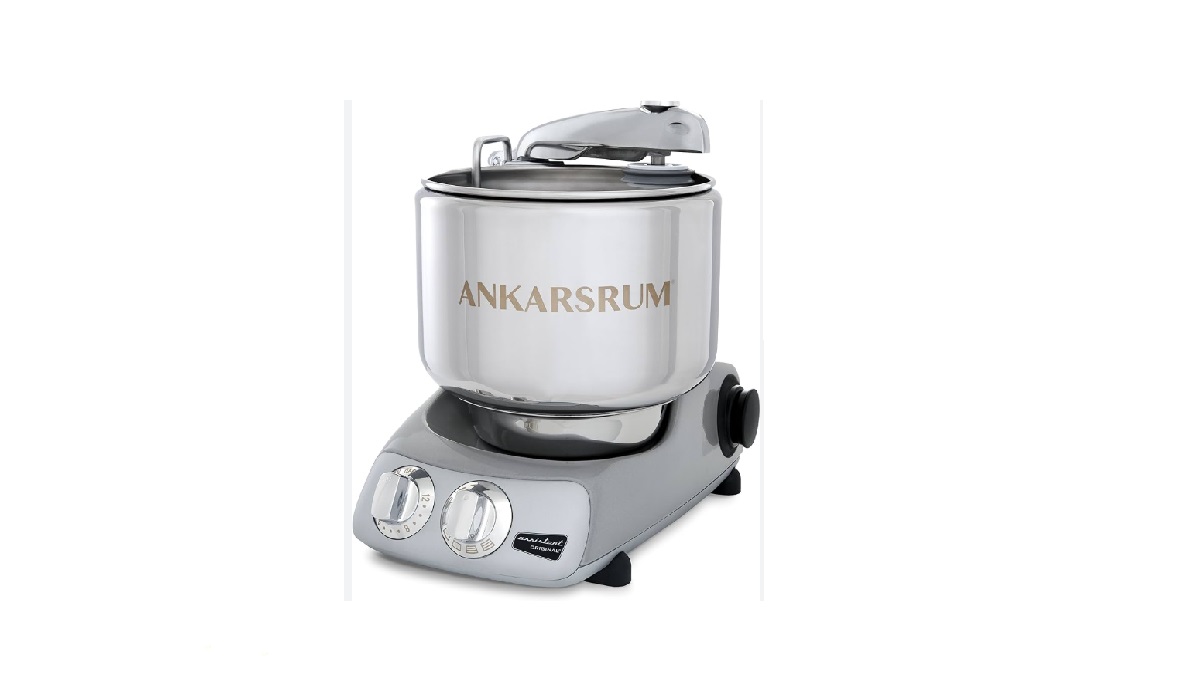
The Ankarsrum is unlike anything else here, and dedicated bread bakers adore it for good reason. Instead of a fixed beater pushing through a stationary bowl, its open bowl spins against a roller and scraper, a design that mimics hand kneading and handles very large dough batches without straining. In testing it worked through high-hydration loaves with ease, and the strong motor barely warmed up. The learning curve is real and it is the most expensive pick, but for someone who bakes bread weekly it is a workhorse that lasts.
Pros
- Open-bowl design excels at bread
- Handles very large dough batches
- Powerful, durable motor
Cons
- Steep learning curve
- Most expensive of the group
Frequently Asked Questions
What size stand mixer do I need?
A 4.5 to 5 quart bowl handles most home baking, including a couple of loaves or a few dozen cookies. Frequent large batches or heavy bread dough are better suited to a 6 quart or larger bowl-lift model.
Tilt-head or bowl-lift — which should I choose?
Tilt-head mixers are lighter, easier to access and fine for everyday baking. Bowl-lift models are sturdier and better for stiff dough and large batches, though they take up more height and counter space.
Can a stand mixer knead bread dough?
Yes, with a dough hook. Stick to the manufacturer's recommended dough quantities and speeds, as overloading a smaller motor with stiff dough can strain it over time.
Conclusion
Across our testing the KitchenAid Artisan 5-Qt led overall, balancing easy tilt-head access with a huge attachment ecosystem. Shoppers watching their budget should look at the Cuisinart Precision Master, which delivers real capability for the money, while the Ankarsrum Original suits dedicated bread bakers who want a machine built for heavy dough. Each of the five earns its place on the counter.